
The Founders
Born from a real transformation.
The Project did not start as a business plan. It started as a body that needed help. This is the broad story, and the two people behind it.
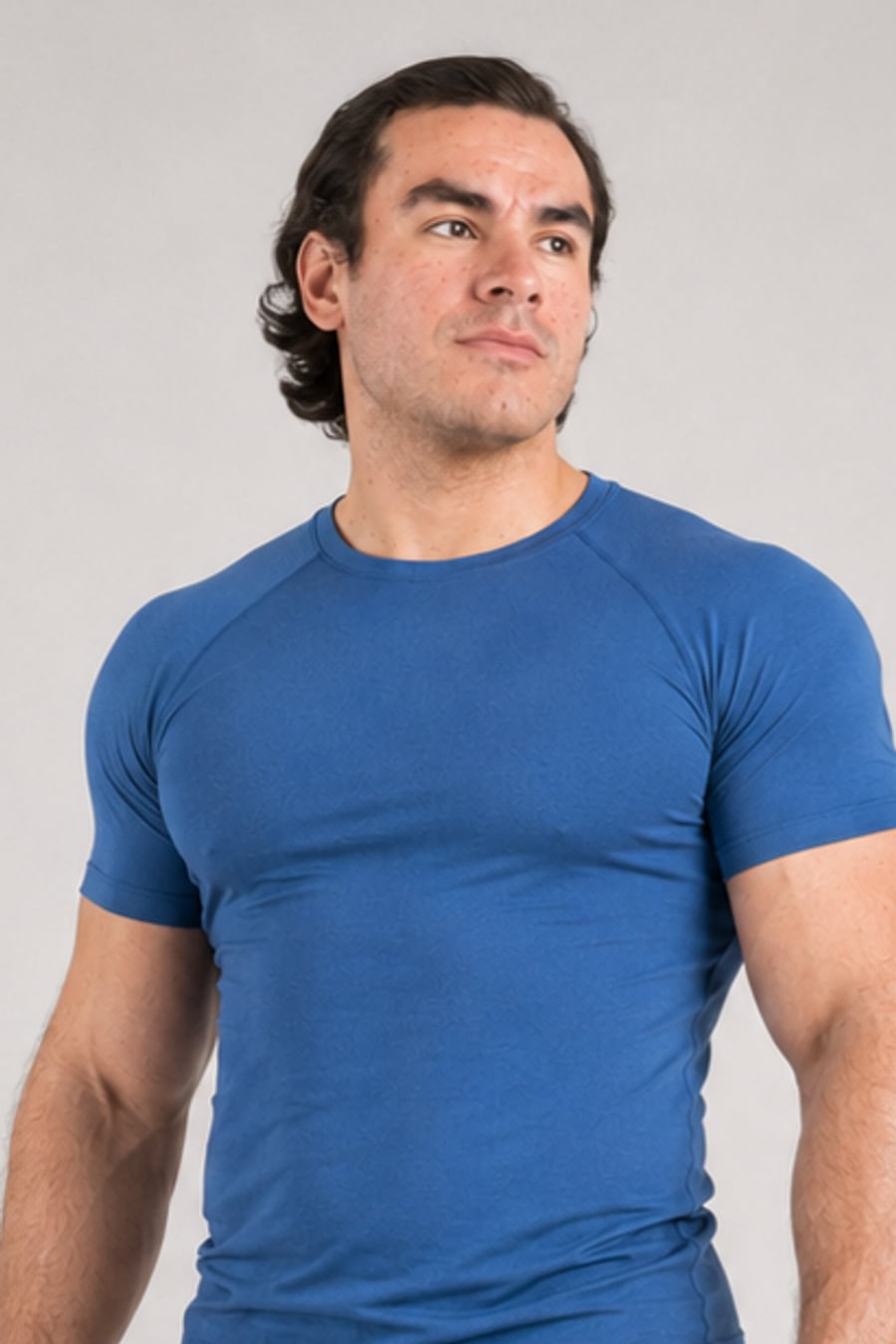
Founder / Marce P
The engineer
who had to rebuild.
I am an engineer, not an influencer. I studied at USP in São Paulo, built predictive AI for big companies, and climbed the corporate ladder until the ladder started climbing me. Training pulled me out of a sedentary life and gave me my body back.
The Project is that transformation turned into a system. Free, for everyone who ever felt disconnected from their body.
Fitness gave me back my body, my health, and my life. The Project is how I share it.
Read the manifesto →The story
From the desk to the barbell.
The climb
I grew up in Camanducaia, a small town in the countryside of Minas Gerais, Brazil. My whole family is from there. I was the kid who was never home: playing in the street, exploring farms, joining whatever sport showed up in town. My life started physical.
At thirteen I moved to São Paulo on a scholarship to a competitive high school. That move set the pattern I would follow for years: work hard, compete, climb. I studied Industrial Engineering at USP, the best university in Latin America. I wrote code as a back-end developer at RevMob, a startup in São Paulo. After the startup years I wanted the corporate structure, so I moved into strategy consulting, working in payments and managing advanced analytics projects, building predictive AI for companies before AI was a headline. I always saw myself as a founder one day, one with real impact on society. I was building the skills for it.
But somewhere in that climb, the kid who was never home became a man who never left the desk.
The break
Since I started working, my body cycled. Fatter, then thinner, then fatter again. Every cycle a little worse.
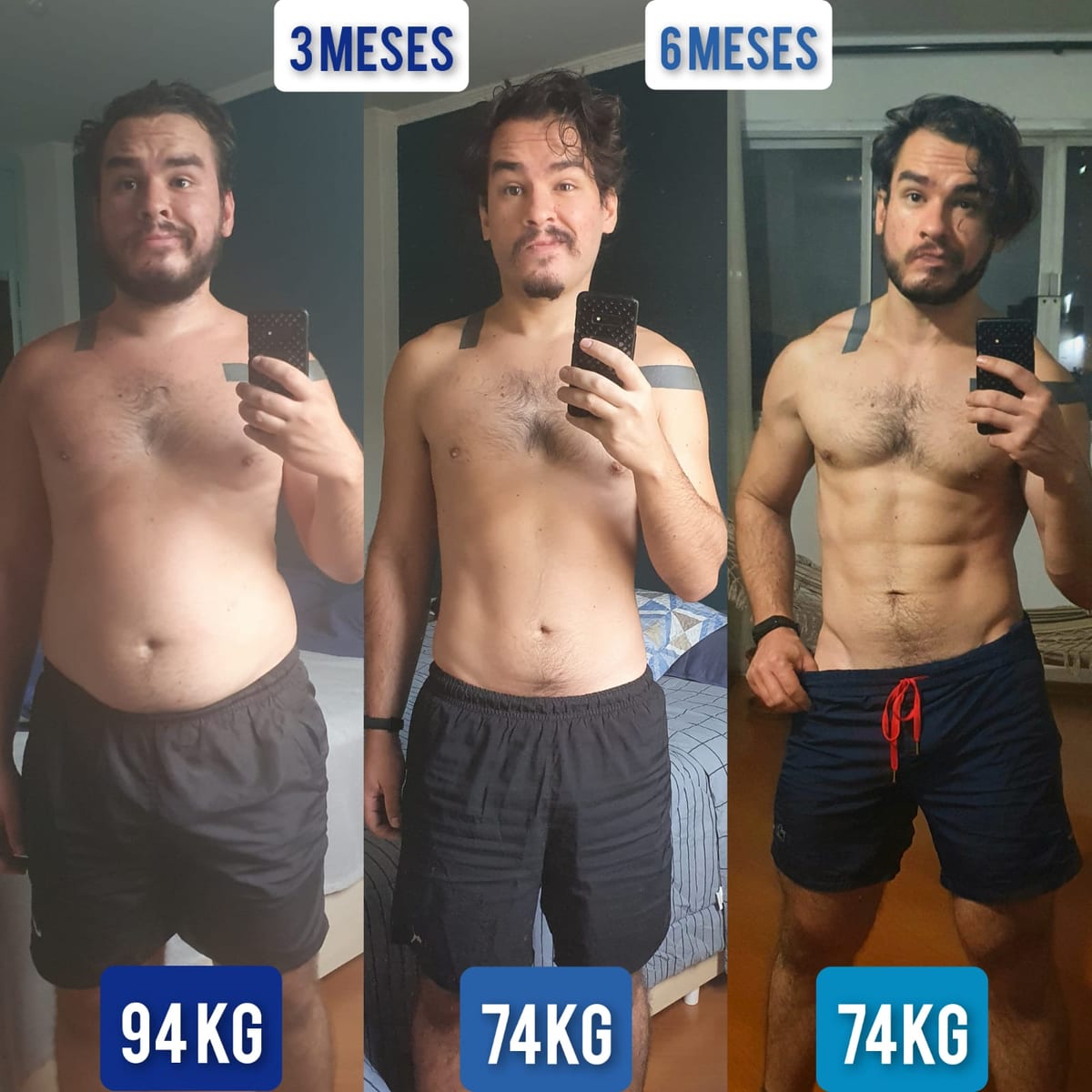
Then the pandemic locked the world inside, and maybe you remember exactly how that felt. Life shrank to one apartment and one screen. The desk became the office, the couch became the plan, the kitchen was thirty seconds away. My consulting hours grew and the cycle peaked. The motivation to move disappeared. The energy went with it. My body ached from sitting, and my health was draining in a way I could feel. The day I decided to quit, I looked in the mirror and did not recognize myself. That was the turning point.
The gyms were closed, so the comeback started on the street and in the kitchen. I ran. I changed the way I ate: fresh food, almost nothing ultra-processed, intermittent fasting. Within months the mirror started giving back someone I knew. The photos are real and so was the work.
The gym
Then the gyms reopened, and I walked into a place I had quit a dozen times. My relationship with the gym had always been intermittent: start, stop, start again. Honestly, I found it unbearably boring. This time was different. The mindset had changed, and I had professionals guiding me, the way Brazilian gyms do by default. The more I engaged, the more I studied what science had actually proven about training, and the more I adjusted it to my real routine. Rebuilding my body into a stronger one taught me what running never could: form creates confidence, failure creates adaptation, frequency creates change.
The gym also gave back what the desk had taken. It got me out of the house after the pandemic. It gave me new people. It reminded me that my existence is physical, way past the screen, and that life is real, and it is today.
At some point I realized the process had become a method. It worked for me. And I wanted to understand it deeply enough to share it with the largest number of people possible, for physical and mental health.
The mission
So I did what engineers do with a process that works: I studied how to scale it. I came to the US to understand how data and AI could carry this transformation to other people. I did an MBA at Cornell to reconnect with technology just as GenAI changed everything. At Cornell Tech I joined the PiTech initiative as an associate, working on public-interest technology. That phrase is the whole product. The Project is public-interest technology for the body.
One more thing, because it matters. Wellness became an industry, and somewhere in that rise, wellbeing left the picture. Training turned into content. Bodies turned into posts. Looks for the feed. That is not what fitness meant to me, and it is not what The Project will ever be. Fitness meant discipline. It meant feeling comfortable in my own body again. The body is not something I have. The body is me. It will carry me forward. Yours will carry you.
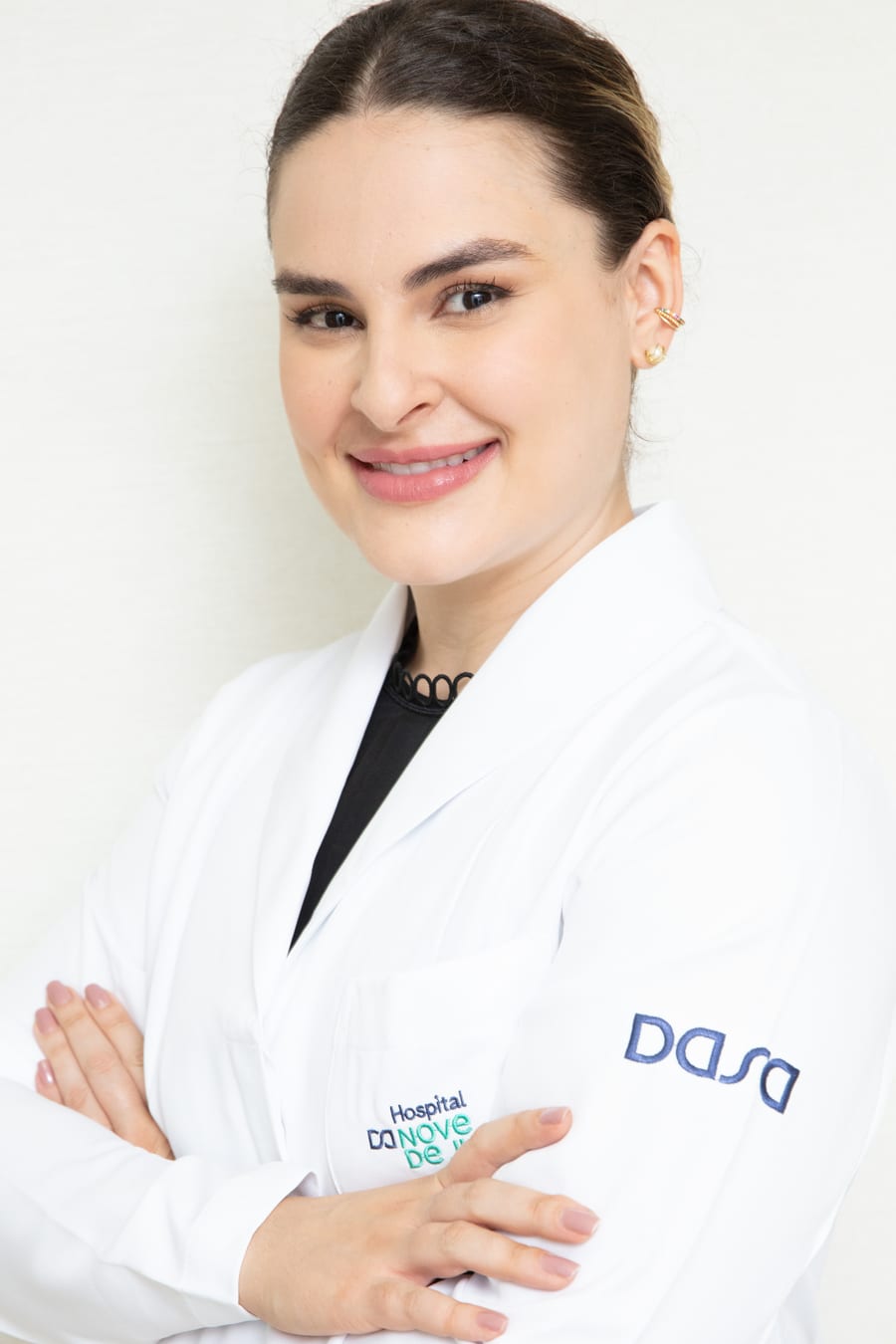
CoFounder / Dr. Flávia Paiva Pereira
The doctor
keeping it honest.
I am a Medical Doctor in Brazil, and I am the medical support of the Triple F methodology. Marce is my brother. I watched this transformation from the first month, and I saw what it gave him back.
But what brought me in was not the before and after. It was the evidence. Medicine is moving in the same direction as the gym: a growing body of research on how much building muscle matters for long-term health and longevity. It is also what I see in practice. I work in both the private and the public health systems in Brazil, and I see every day what movement gives people, and what its absence takes away.
I graduated in Medicine at the Federal University of Juiz de Fora and trained as an ENT surgeon, an otorhinolaryngologist, specialized in nose surgery. Today I operate and practice at hospitals across São Paulo, attend in the public system, and teach resident physicians.
The deeper I went as a surgeon, the more my work became about how the body changes and how it recovers, because recovery is where an operation succeeds or fails. That is what connected me to what Marce was doing. Many of the practices he had already built into his own life were the same ones sound medicine points to. So we started expanding The Project with a critical medical view, because accurate information matters not only for how you train, but for keeping you from getting hurt.
My role in The Project is simple. I keep the method honest. The safety rules, the health boundaries, the respect for the body: they carry my word.
Medicine is catching up with the gym. Building muscle is one of the best investments you can make in your future health.
Why The Project is free →